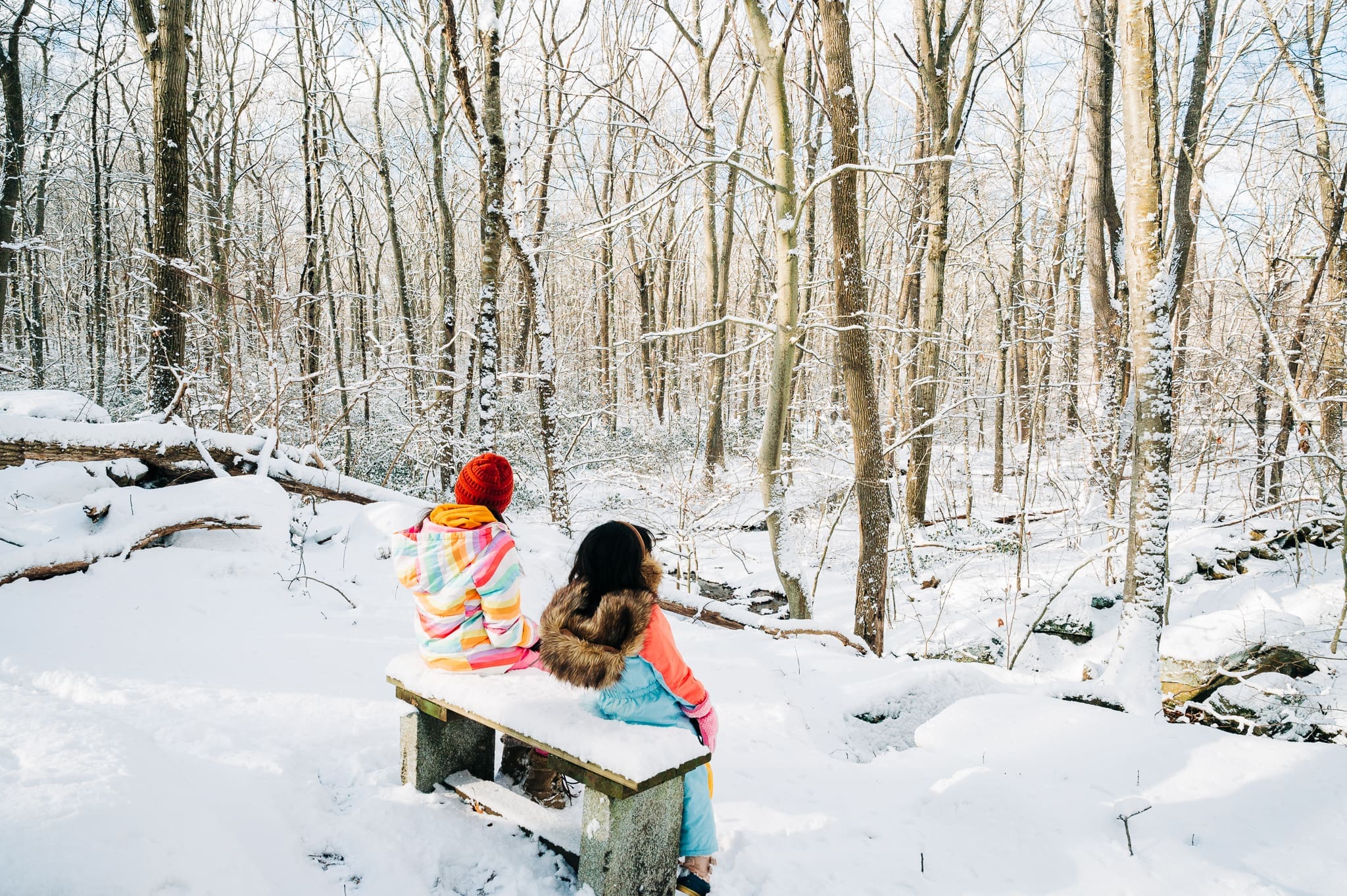
Environmental photography is simply photography that includes the world around us — the land, the weather, the season, the space we’re standing in, and the way we connect with it. This is the heart of environmental photography, especially when the environment is the main character and the person in the frame is small, quiet, and natural.
It’s not just about photographing a mountain or a tree. It’s about showing how people and nature coexist—the foundation of nature‑based storytelling.
According to Environmental Science: In Context, environmental photography includes images of the natural environment for art, research, or monitoring, and these images can “inspire feelings of wonder” (Environmental Science: In Context, 2026).
That’s really what it is: photos that help us feel something about the world we’re in.
Simple Examples From Real Life
Here are everyday moments that count as environmental photography — the kind I often capture:
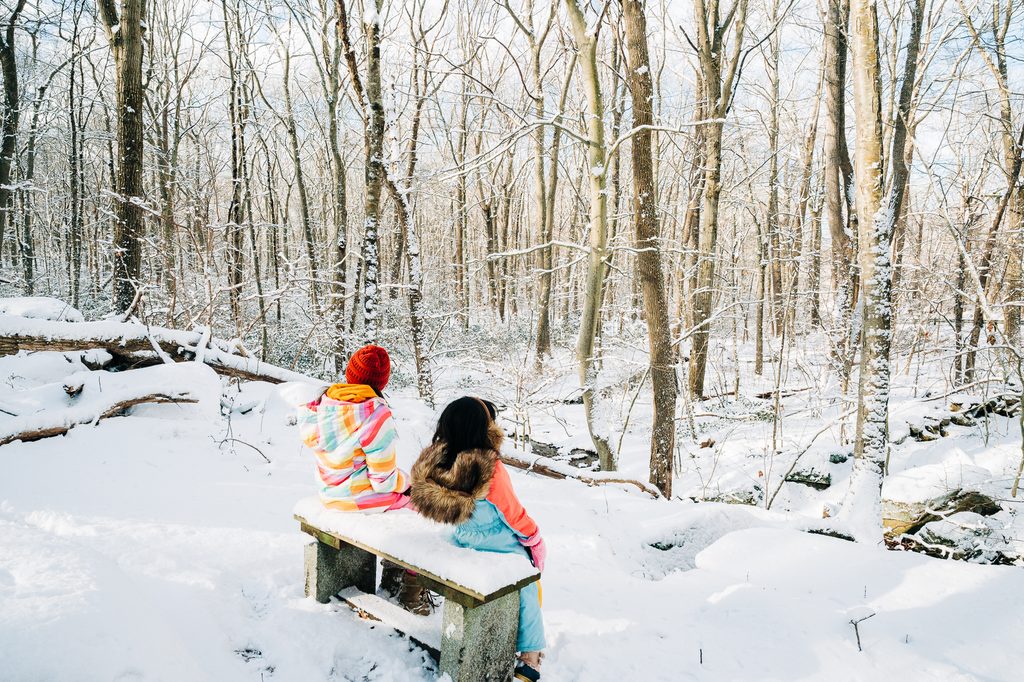
- My child walking ahead on a trail, tiny compared to the tall trees around them.
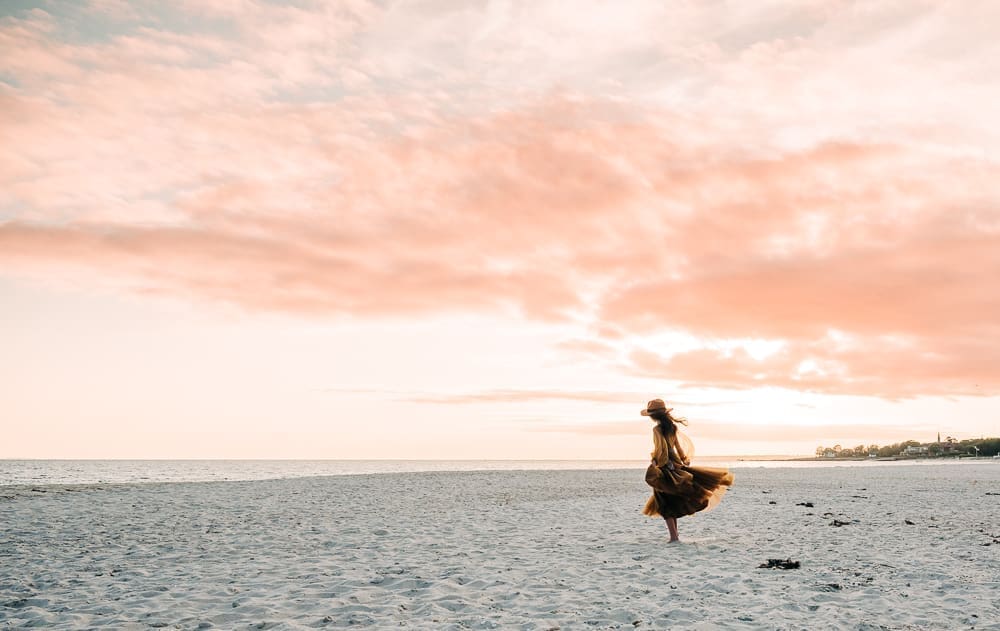
- A small silhouette exploring the shoreline while the ocean fills most of the frame.
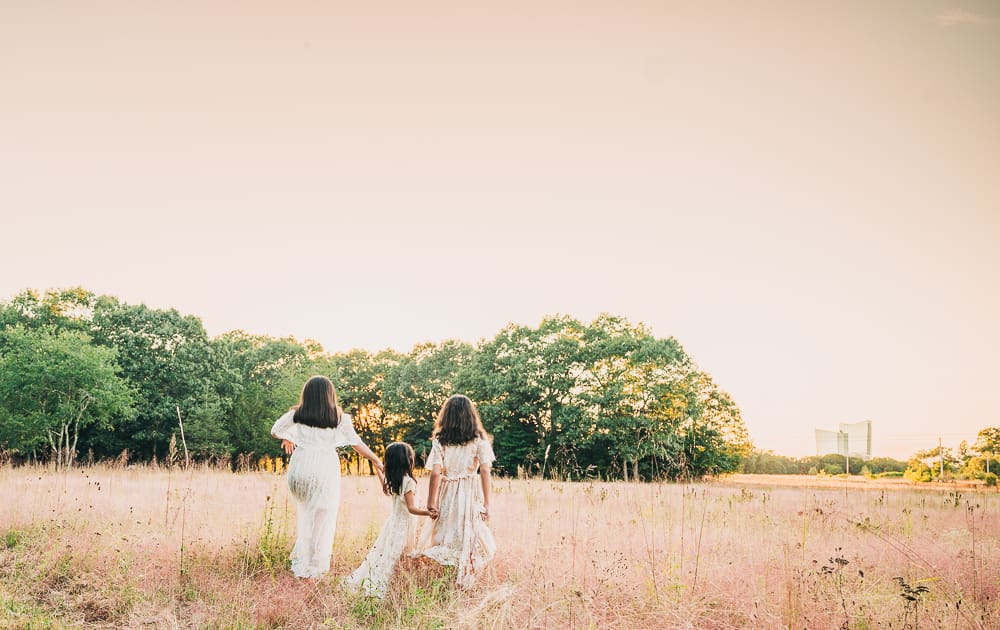
- A little figure running through a field, with the landscape telling the story.
- A quiet moment of my child looking up at the sky, surrounded by open space.
- My kid picking up a rock, touching a leaf, or watching the waves move.
- A simple moment sitting on the grass, with nature holding the whole scene.
These are not “fancy” places. They’re real places — the ones we live in every day.
Environmental photography says: This moment matters because this place is part of your story.
What Environmental Photography Focuses On
Environmental photography can include:
1. Nature and Ecosystems
Trees, rivers, beaches, forests, fields — the natural spaces we move through. This is the core of nature photography and environmental storytelling.
2. People in Their Surroundings
Not posed in a studio, but in real environments that show who they are. This is the heart of environmental portrait photography.
3. Everyday Life
Simple moments that feel true — walking, resting, exploring, breathing. This is everyday environmental photography, the kind that feels honest.
4. How We Affect the World
Sometimes it shows things like pollution or climate change, but it doesn’t have to. That’s more of the conservation photography side.
Environmental Photography in Conservation (Simple Version)
Boyd Norton, a well‑known conservation photographer, explains that photography can help people care more about the environment and inspire them to protect it (Norton, 2020).
This is the “big picture” version of environmental photography — the kind used in science, activism, and education.
But environmental photography can also be small and personal, like:
- someone exploring a tide pool
- walking through fall leaves
- sitting quietly near the water
- watching the sky change colors
- your dog running across a field
These moments still show connection to place, even if they’re not about saving the planet.
Why Environmental Photography Matters in Everyday Life
Environmental photography matters because:
- places shape us
- we remember moments by where they happened
- our surroundings tell part of our story
- nature makes memories feel deeper and more honest
Think about your own life:
The beach you visit every summer. The trail you walk when you need quiet. The backyard where your kids grew up. The warm colors of the Philippines that shaped your childhood. The Connecticut shoreline that shapes your life now.
These places are part of who you are. Environmental photography — especially natural, simple photography in real surroundings — helps you remember that.
It’s also a form of storytelling photography, because it shows not just the person, but the world that shapes them.
References
Environmental Science: In Context. (2026). Photography, Environmental. Encyclopedia.com. Retrieved July 10, 2026, from https://www.encyclopedia.com/environment/energy-government-and-defense-magazines/photography-environmental
Norton, B. (2020). Conservation Photography Handbook: How to Save the World One Photo at a Time. Amherst Media.


Comments +